Expert care for your skin cancer needs, surgical procedures, and cosmetic treatments. Our service is led by Dr. Giri Raj (FRACP), a New Zealand trained Dermatologist, and a team of highly skilled registered nurses.
We pride ourselves on being client-forward, comprehensive, and operating at a specialist dermatologist standard.


New Zealand has one of the highest incidences of skin cancer in the world. People diagnosed with skin cancer early have a greater success rate of full removal and cure.
We treat all forms of skin cancer, including Basal Cell Carcinoma (BCC), Squamous Cell Carcinoma (SCC), and Melanoma—the most dangerous type which can develop from existing moles or appear as a new spot.
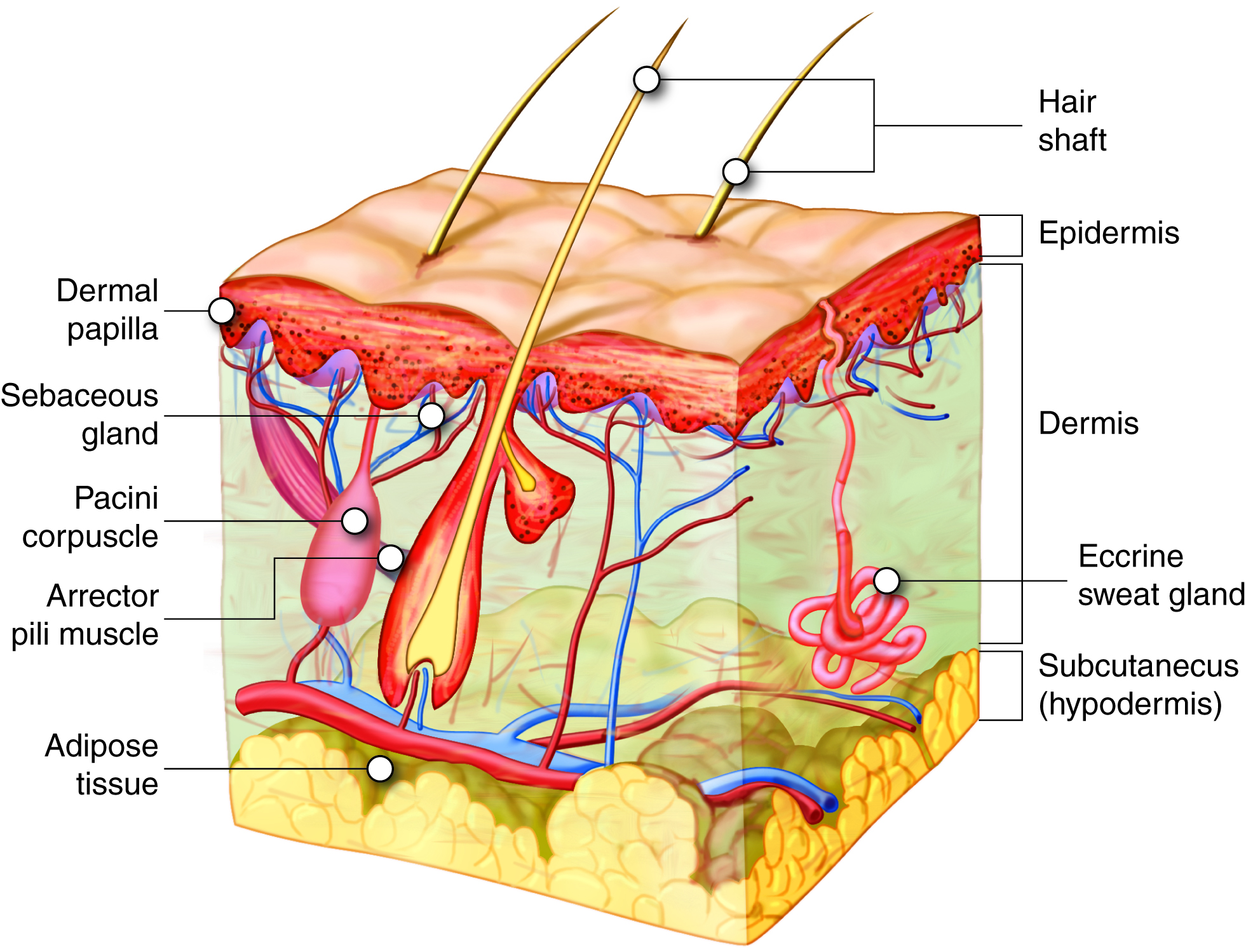
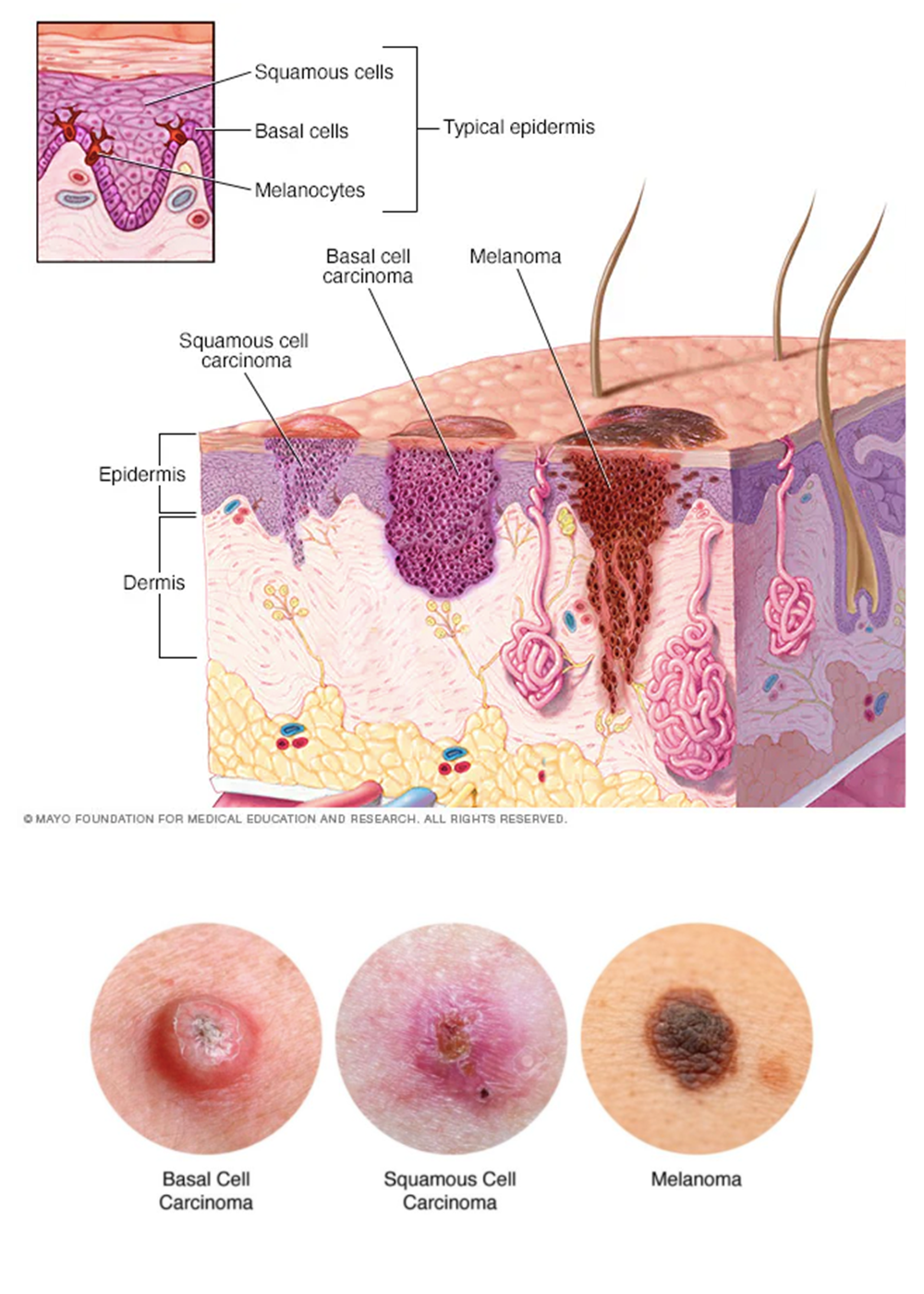
Skin cancer begins in the cells that make up the outer layer of the skin, called the epidermis.
One type of skin cancer called basal cell carcinoma begins in the basal cells. Basal cells make skin cells that keep pushing older cells toward the surface.
As new cells move up, they become squamous cells. Skin cancer that starts in the squamous cells is called squamous cell carcinoma of the skin.
Melanoma, another type of skin cancer, happens in the pigment cells, called melanocytes. Melanoma is a malignant tumour of melanocytes. Melanocytes are cells that produce the dark pigment, melanin, which is responsible for the colour of skin.
Melanoma is described as:
To diagnose skin cancer, your dermatologist will examine your skin to determine whether changes are likely to be skin cancer. Further testing may be needed to confirm that diagnosis, such as a Biopsy (removing a sample of suspicious skin for testing). A biopsy can determine whether you have skin cancer and, if so, what type you have.
There are three main types: Basal Cell Carcinoma (BCC), Squamous Cell Carcinoma (SCC), and Melanoma. BCC and SCC are often grouped together as non-melanoma skin cancers. BCC is the most common but least dangerous, while Melanoma is the most dangerous.
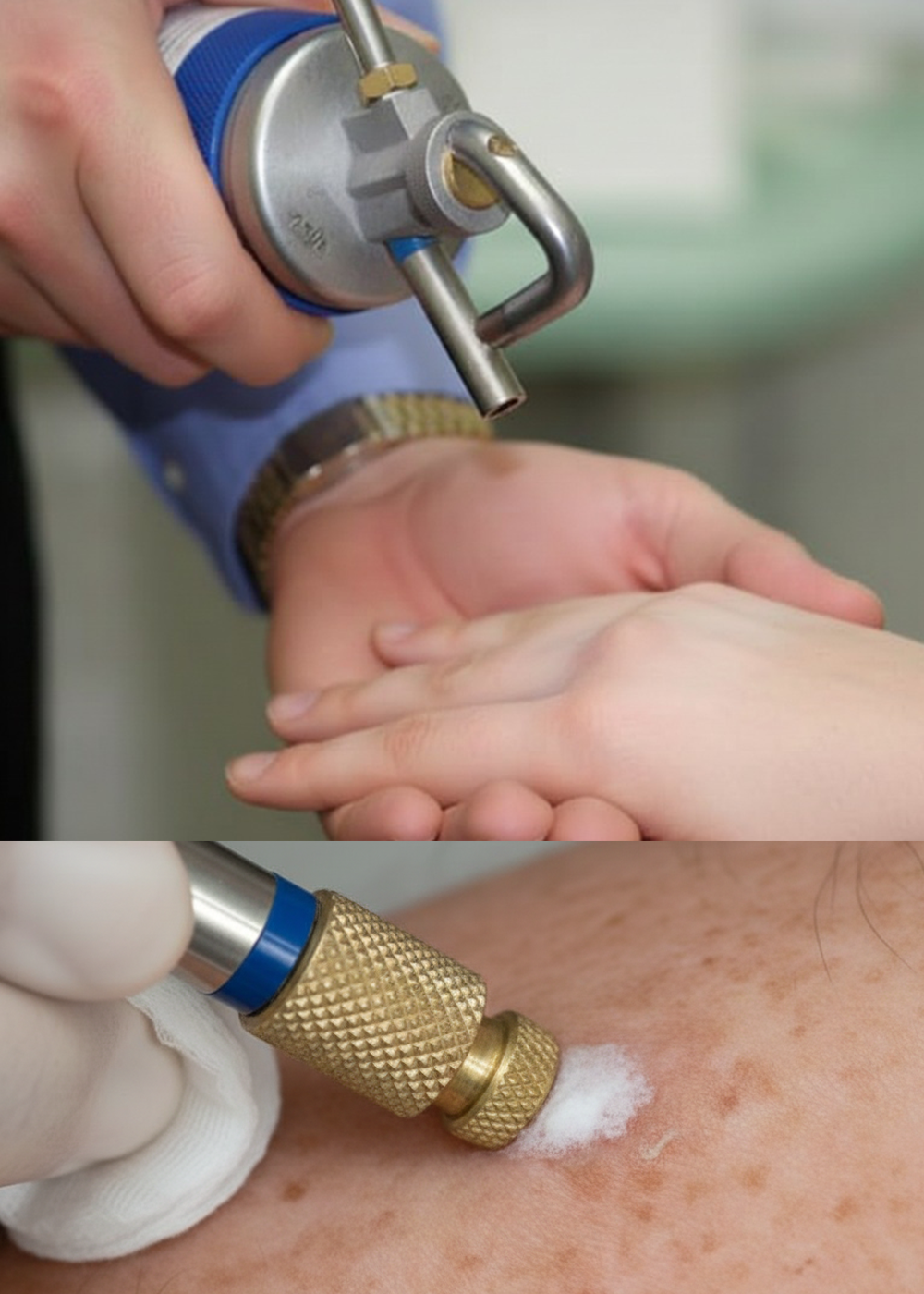
Early detection is crucial. If a dermatologist suspects a melanoma, a biopsy is recommended to get the histology report. Your dermatologist may also use cryotherapy to treat appropriate pre-cancerous lesions during your consult, which can prevent progression to skin cancer and avoid the need for surgery.
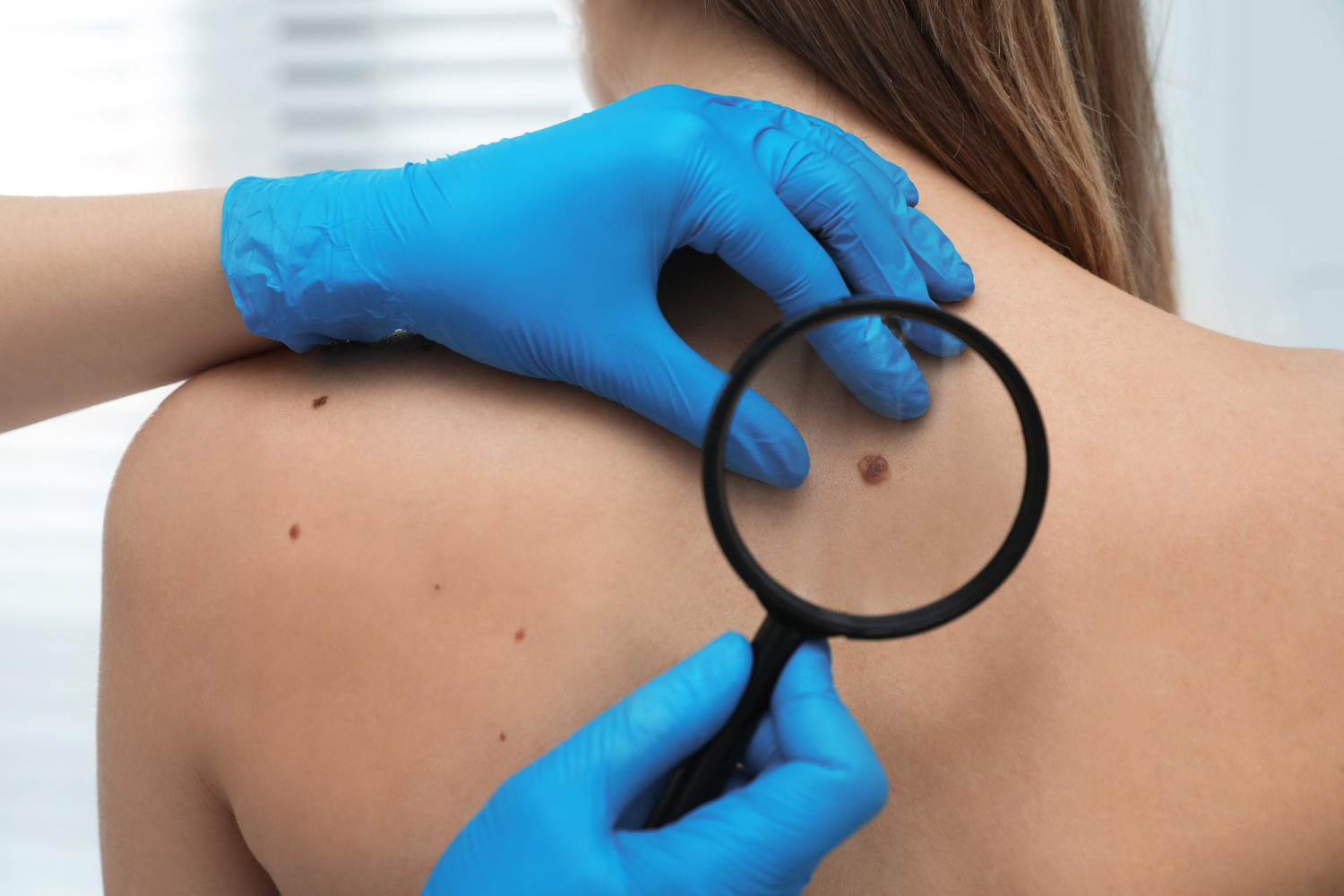
We have a beautiful but very hot climate in New Zealand during summer. As much as we love to stay outdoors, we are at risk of developing skin cancer if not well shaded. If you are concerned about a mole, you should have it checked immediately.
Often lesions that do not appear dangerous to the untrained eye may actually be invasive. Our aim is to make you as comfortable as possible. We know patients may feel a skin check is intrusive, which is why we take all measures to ensure you are at ease.
Moles or naevi come in many shapes and sizes and can be benign, or pre cancerous or highly dangerous with risk of spread (a melanoma). Some moles can be present from a young age, some can come on later in life. Moles that are changing or have symptoms can herald cancerous change, however sometimes the most dangerous moles are the smallest and have no obvious change. Your dermatologist is trained to recognise the most dangerous moles.
Skin Diagnostics pride ourselves for having one of the most comprehensive and informative skin check routines in the country and a proven track record for maximum accuracy and detail. We use digital imaging to assist the examination. Let us take care of your skin checks, which can save lives, stress and avoid unnecessary investigation of benign lesions.
We diagnose and treat a wide variety of medical skin conditions using evidence-based medicine.
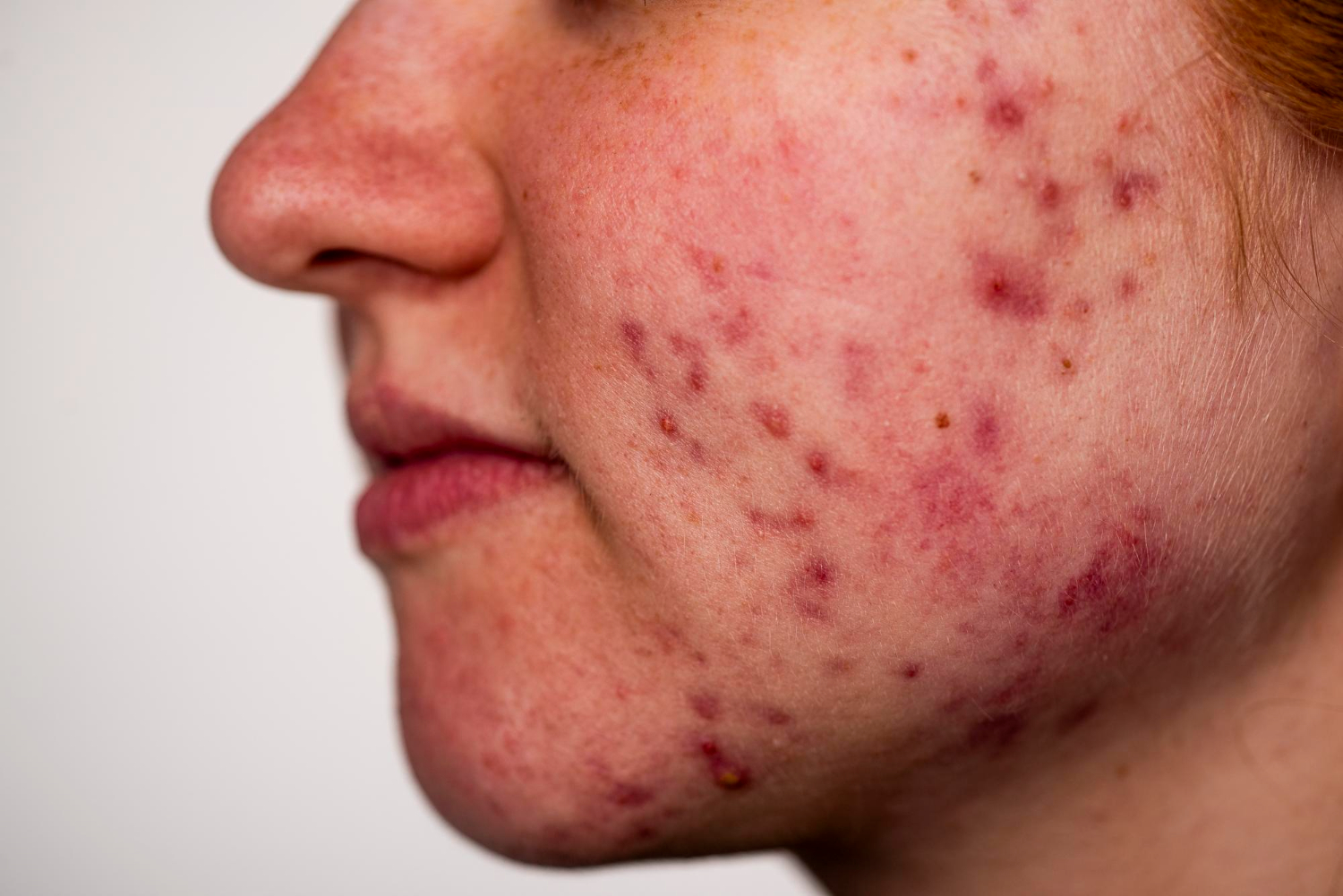
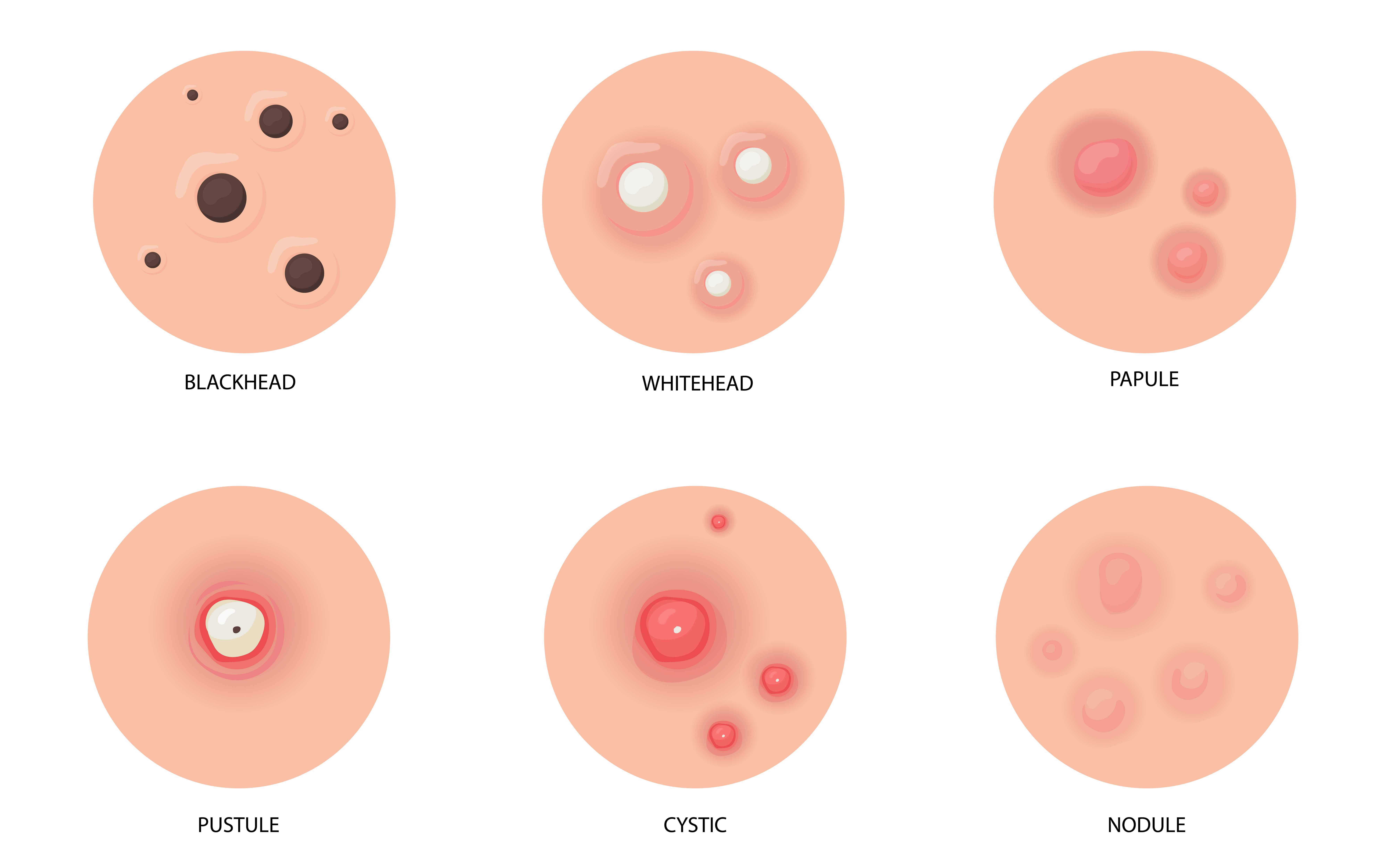
Acne can start as small comedones, pimples, or lumps under the skin, but can become sore, red, pustular, and disfiguring. We recommend early assessment and treatment to prevent progression and scarring.
Your consultation with our dermatologist-led medical team will help formulate the best treatment for your skin to achieve results in minimal time. Options include:
Advanced non-surgical cosmetic treatments to rejuvenate your skin and restore confidence.
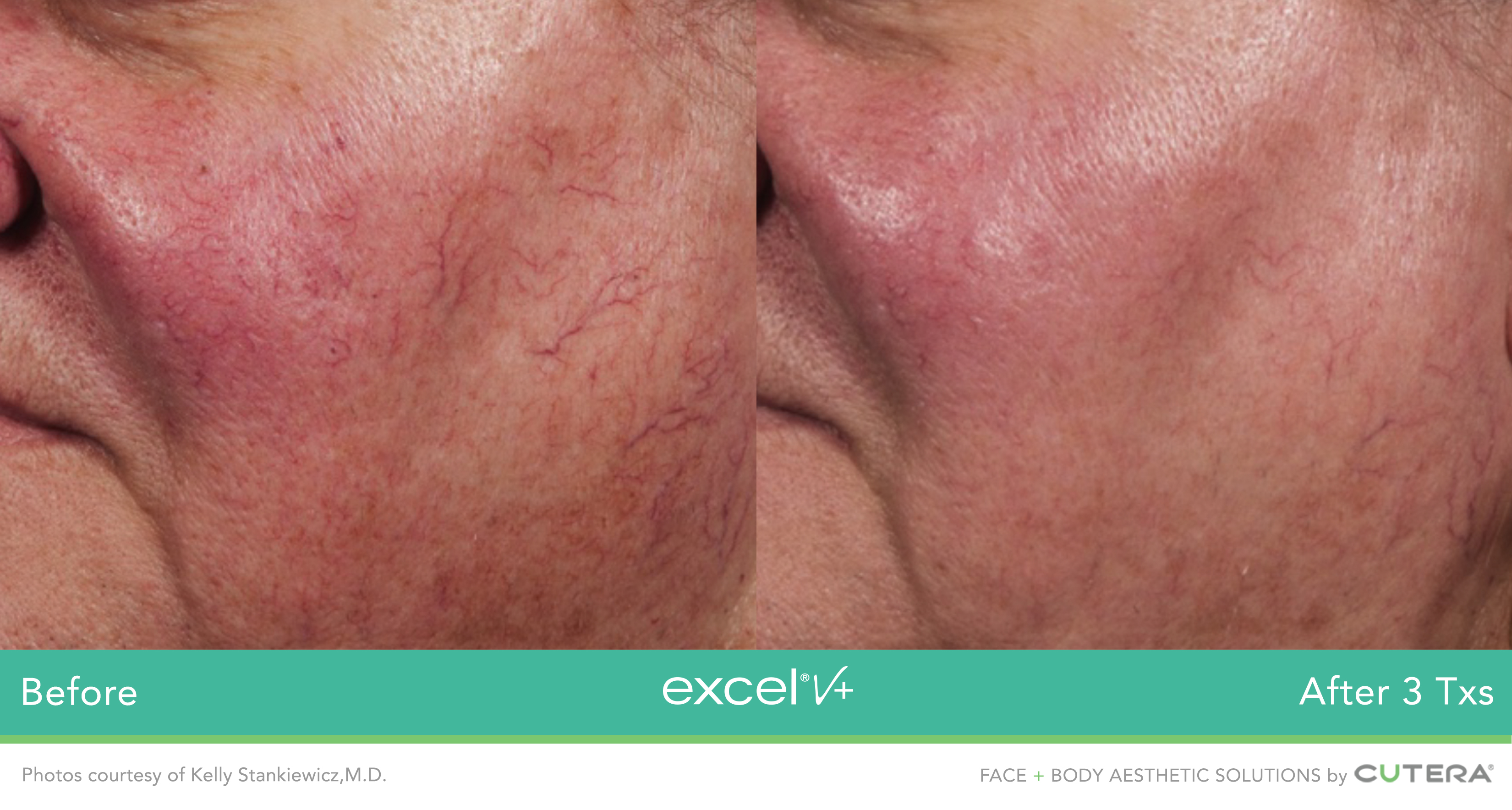
Skin Diagnostics now features the state-of-the-art Cutera excel V+ in our New Plymouth clinic. It produces much better results than medication and creams for many conditions.
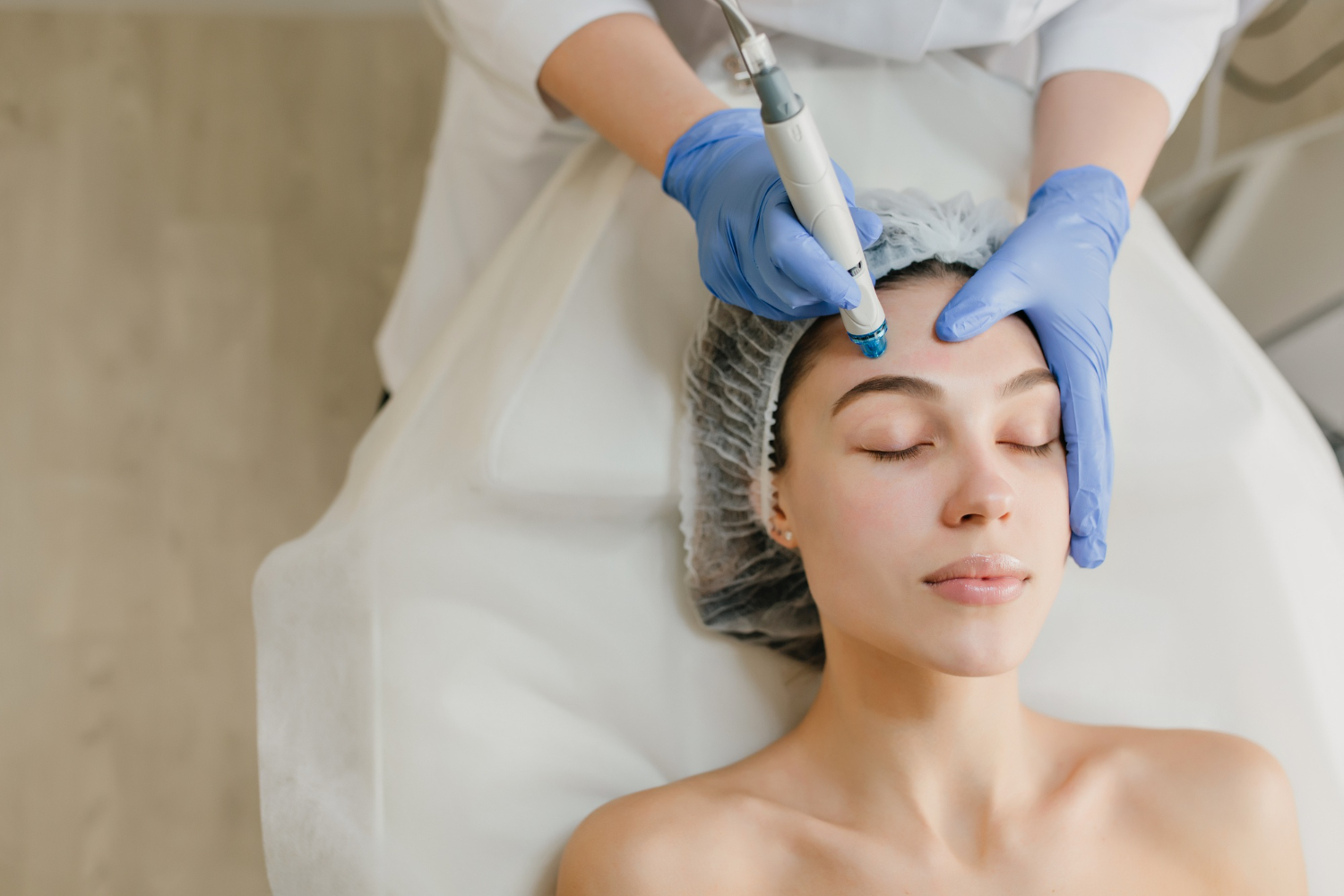
Experience one of the most popular anti-aging treatments in the world. Dermapen 4 uses advanced technology for precision and comfort.
PicoSure Pro is the world's first intelligent pico laser. Our 755 nm wavelength at ultra-short picosecond pulses (one trillionth of a second) is the best non-surgical treatment for age spots, freckles, unwanted pigment and melasma. It can also target and remove black, blue and green tattoos. It can also perform deep skin rejuvenation and treat acne scarring. It is safe for all skin types and colours.
Most pigment improves in 2–3 sessions.
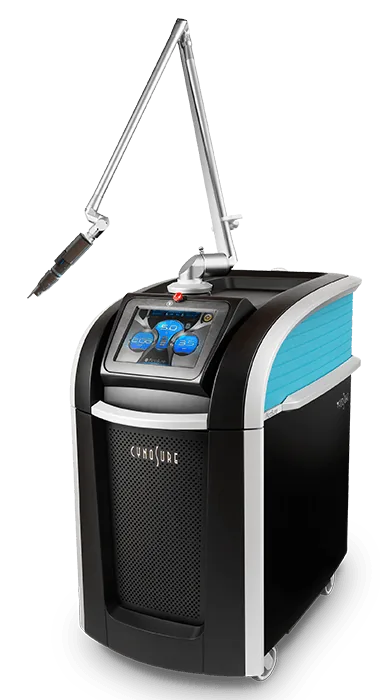
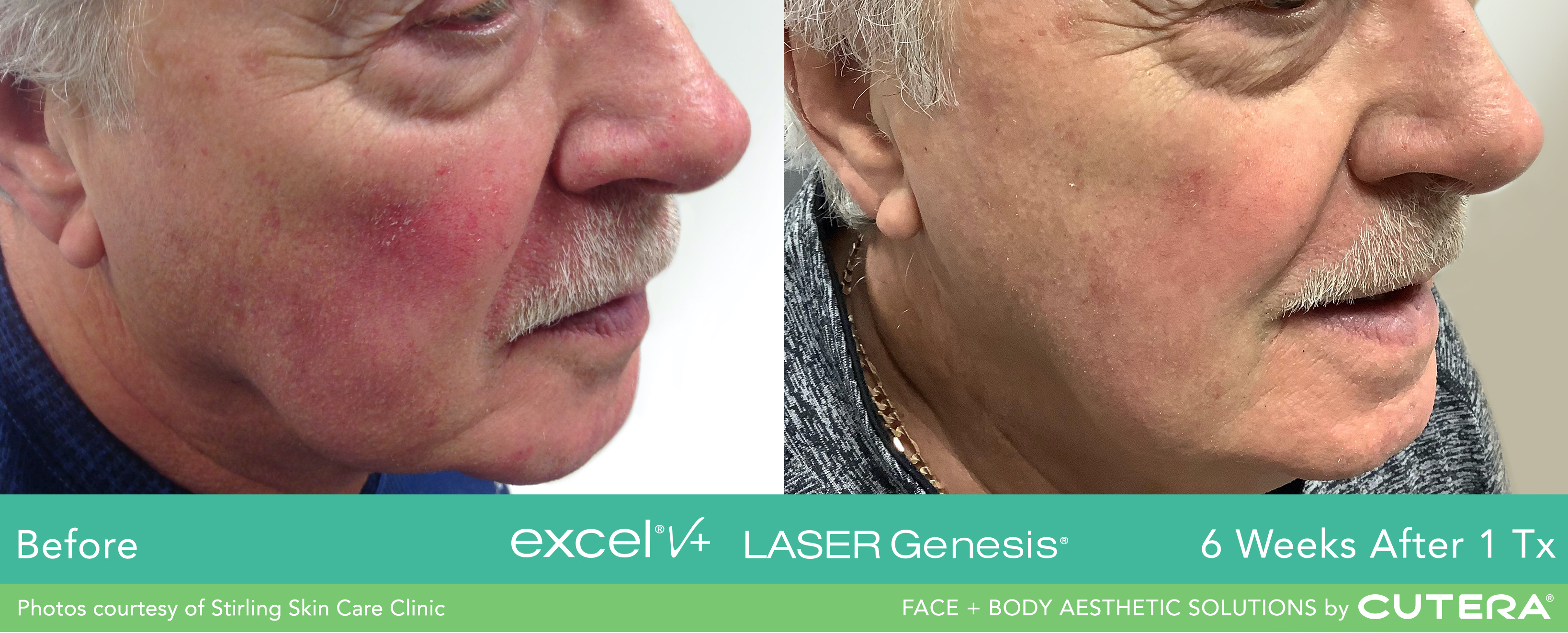
The Excel V+ is a vascular laser with two distinct wavelengths (1064nm and 532nm). Lasers specifically target the correct chromophore in an elegant manner using amplified specific light energy. These wavelengths are highly specific for targeting and treating red vessels.
Your dermatologist will fine-tune the treatment, settings, and energy levels to give you the best results for improving facial redness, flushing, rosacea, and stubborn vessels. Treatment is generally painless, and results are often instantaneous.
The Excel V+ can also effectively treat sun spots, epidermal brown spots, and some freckles. The 1064nm wavelength is absorbed by surface pigment cells (melanocytes), allowing for precise removal of unwanted pigmentation.
The Laser Genesis mode micro-pulses energy at very fine settings. This allows for comfortable, painless remodelling and stimulation of collagen fibres deep in the dermis. The result is refreshed, radiant, younger-looking, and softer skin.
As it stimulates your own natural collagen, treatments offer natural improvement and rejuvenation without injecting extra chemicals. There is no downtime, allowing you to have a lunch-time treatment and return to work immediately.
Skin Diagnostics offers one of the most comprehensive hair restoration services available. We specialize in male and female pattern hair loss, as well as other forms of alopecia. All treatments are evidence-based and directed by our dermatologist.
We specialise in male and female pattern hair loss, however can diagnose and treat some other forms of hair loss also. We have surgical and non surgical options.
All of our treatments are evidence based and your protocol will be designed and directed by our dermatologist.
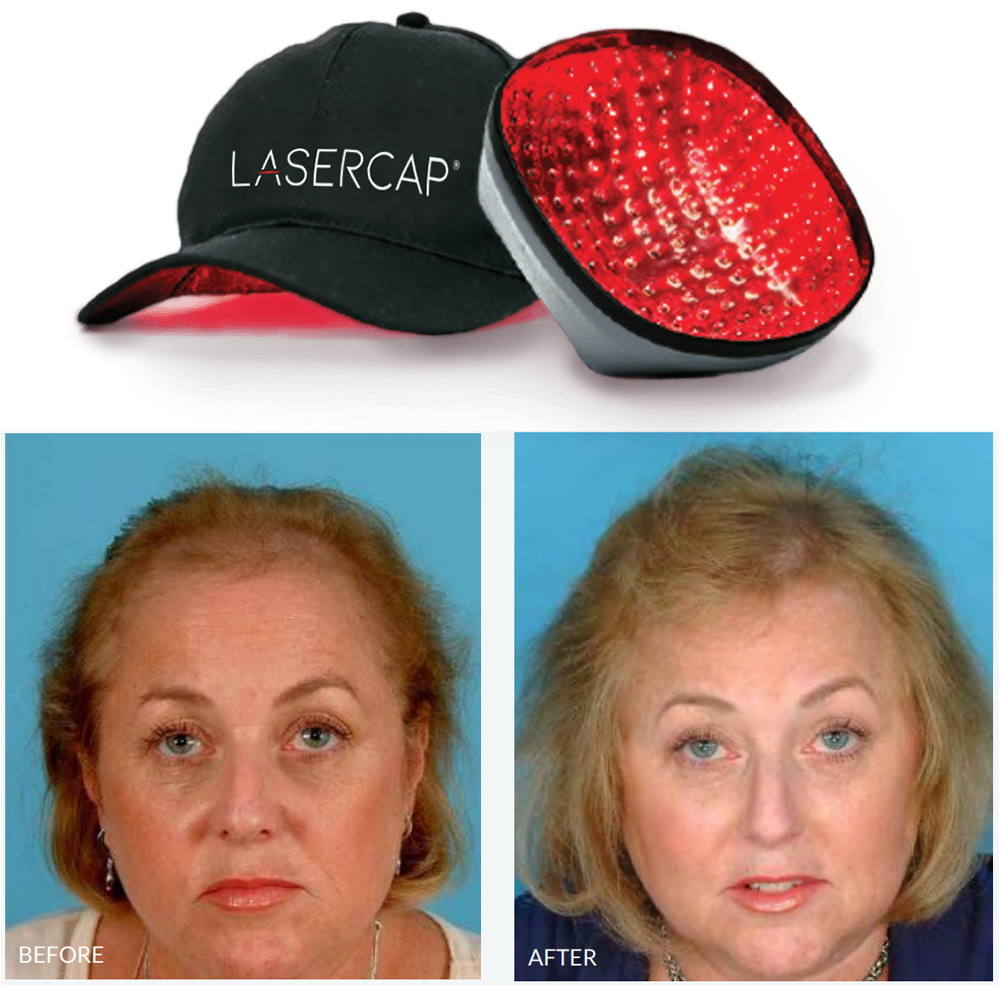
Restore your natural hair with LaserCap – the original laser hair growth cap, FDA-cleared to treat male and female pattern hair loss.
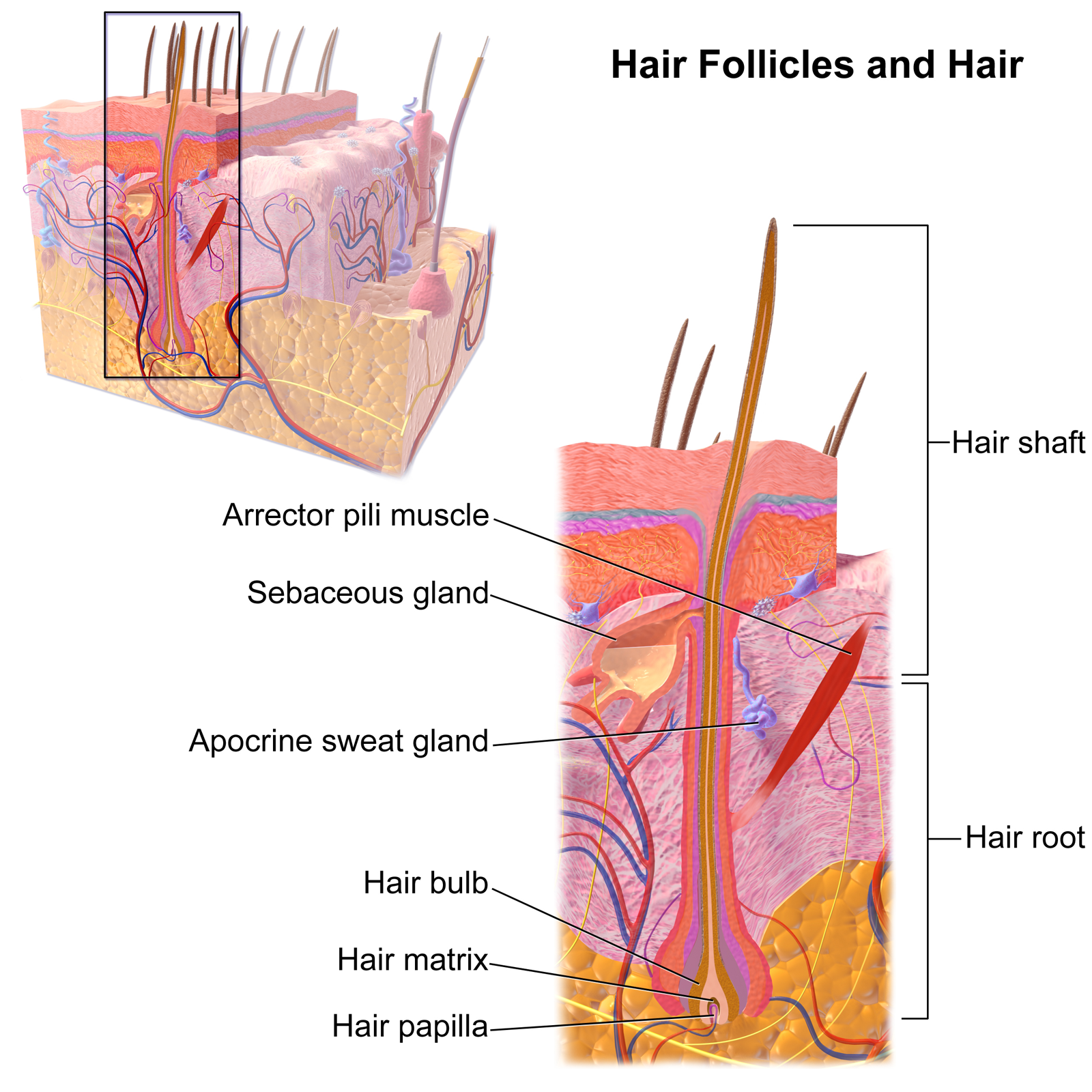
LaserCap re-energizes inactive hair follicles using Low-Level-Laser Therapy (LLLT), a safe, all-natural treatment, scientifically proven to promote hair regrowth in both men and women.
Now you can treat your hair loss with prescription-strength laser therapy in the comfort of your own home with The Original LaserCap!
Hair Exosomes: These carry growth factors, cell signalling proteins and growth inducers to the hair follicle stem cells via small vesicles to reduce scalp inflammation and improve hair quality.
Low Level Laser Light Therapy (LLLT): This is evidence based, non surgical, non drug, prescription strength treatment for androgenetic alopecia / hair re growth. We use one of the most powerful LLLT devices for hair regrowth (650nm red light), which uses pulsed wave emission technology for higher peak intensity and more consistent output for deeper photon penetration into the hair follicle. Our devices are portable and discreet, designed for home use.
Medical Treatments: We used evidence based medical treatments including finasteride and minoxidil and other topical or oral treatments.
Platelet Rich Plasma (PRP): This is an innovative, safe treatment for many forms of hair loss including androgenetic alopecia, male and female pattern hair loss, alopecia areata and during hair transplant surgery. It involves several platelet rich plasma injections. Our innovative technique extracts super high concentrations of cytokines and growth factors from your own platelets, and on injection activate stem cells on the bulge area of the hair follicle to help develop new hair follicles, strengthen existing hair follicles and improve blood supply to the stressed scalp.
Follicular Unit Excision (FUE): This innovative technique harvests your own hair follicles and transplants them into balding areas of the scalp. Unlike traditional hair transplant techniques, FUE is less invasive, leaves no linear scar, and has faster recovery time. This can result in dramatic improvements over time. Skin Diagnostics utilises an innovative follicle extraction process to maximise graft survival and results.